What we do
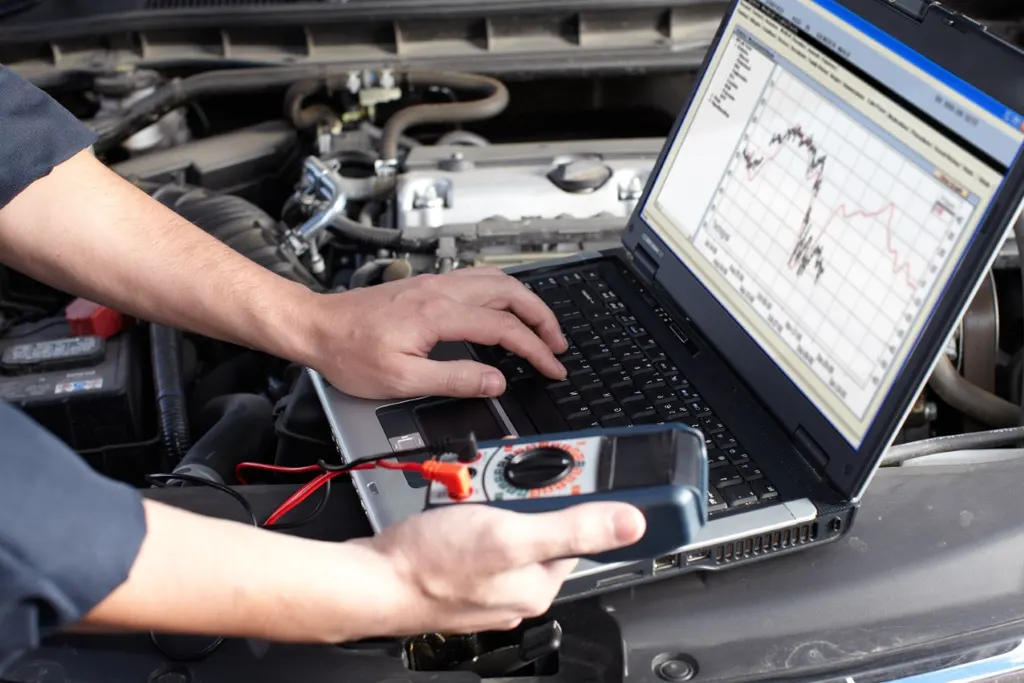
- Code scan and review of the data saved when the fault happened
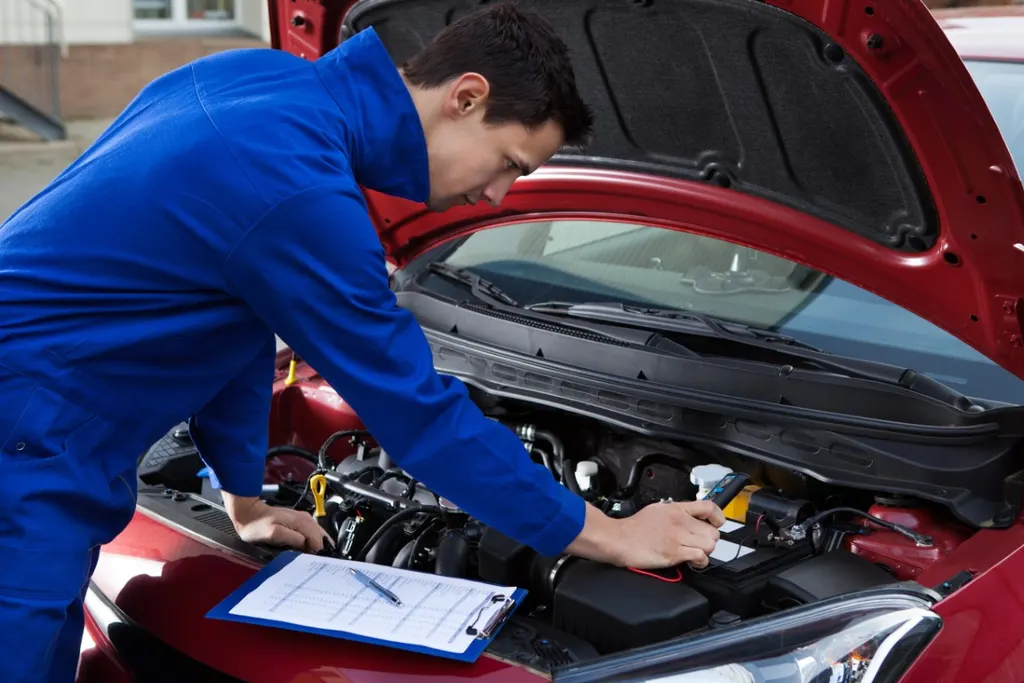
- Misfire diagnosis, including spark plugs and ignition coils
- Oxygen sensor and mass airflow sensor testing and replacement
- Evaporative (EVAP) system leak diagnosis
- Fuel system diagnosis
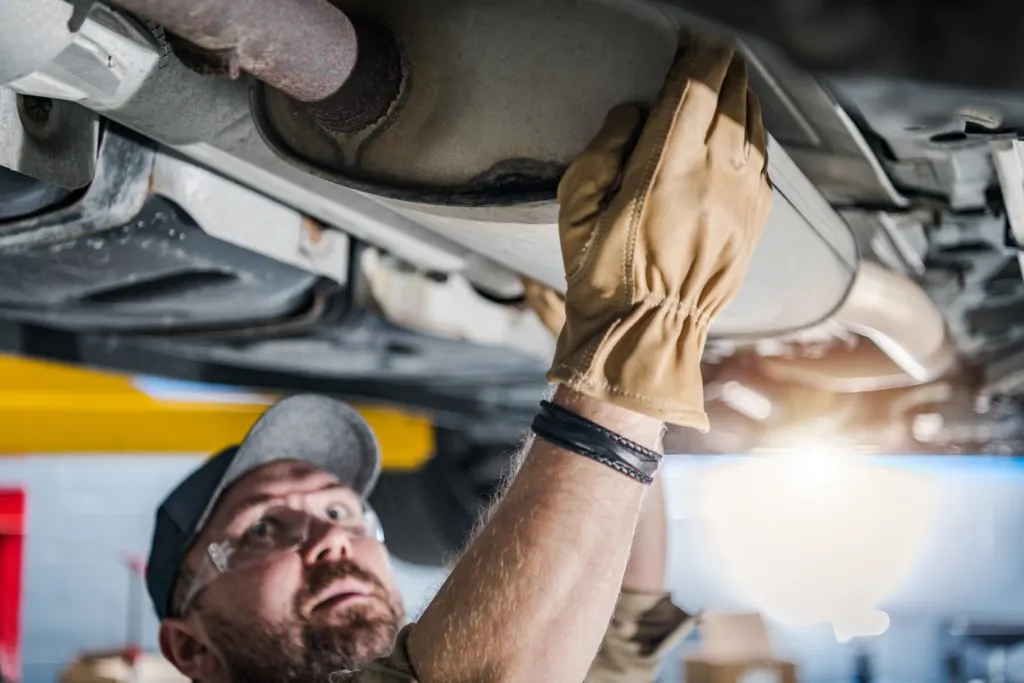
- Catalytic converter inspection and replacement
Signs you need a check engine light mechanic
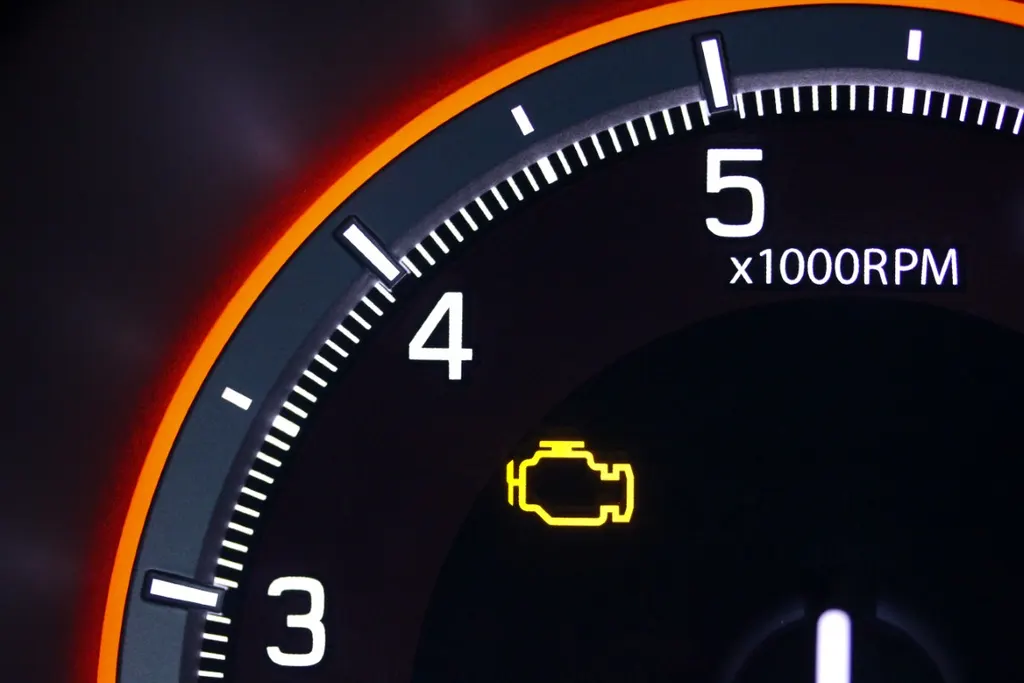
The light itself is the first sign. It's worth paying attention to what comes with it:
- A steady light. The computer has stored a fault. It may be minor, like a loose gas cap, or the start of a bigger problem.
- A flashing light. This usually means a serious misfire. Unburned fuel can overheat the catalytic converter, which is an expensive part. Get it checked right away.
- Rough idle or stalling. Often tied to ignition, vacuum leaks, sensors or fuel delivery.
- Loss of power. A misfire, a clogged converter or a sensor problem can make the car feel sluggish.
- Worse gas mileage. A failing oxygen sensor or airflow sensor can throw off the fuel mixture.
- A fuel or rotten-egg smell. Fuel smells can mean a leak, and a sulfur smell often points to the catalytic converter.
A code is a starting point, not an answer. The same code can have several causes, so we test before replacing parts.
What to expect
Tell us whether the light is steady or flashing, when it came on, and how the car is driving. We scan the codes, look at the data, and test to confirm what failed. You'll get an estimate within 48 hours.
Our inspection and repair rate is $120 per hour for general vehicles and $150 per hour for custom cars. Minor repairs are usually done in 24 to 48 hours, and most work is finished within a week.
If you want to source the parts yourself after diagnosis, we welcome customer-supplied parts. Our warranty covers new parts for 60 days or 3,000 miles, and labor for 60 days or 3,000 miles. We can also help with insurance paperwork.
Check engine light on? Call or text (316) 223-7293, or request an appointment.