What fender rolling is
On most cars, the metal at the edge of the wheel opening folds inward to form a lip. That lip sits closer to the tire than the outside of the fender does. When a tire moves up into the wheel well over a bump, the lip is usually the first thing it hits.
Fender rolling flattens that lip up against the inside of the fender. The tire gets extra room, and from the outside the fender looks nearly unchanged. It's one of the simplest ways to fix rubbing without changing your wheels or ride height.
Why people roll their fenders
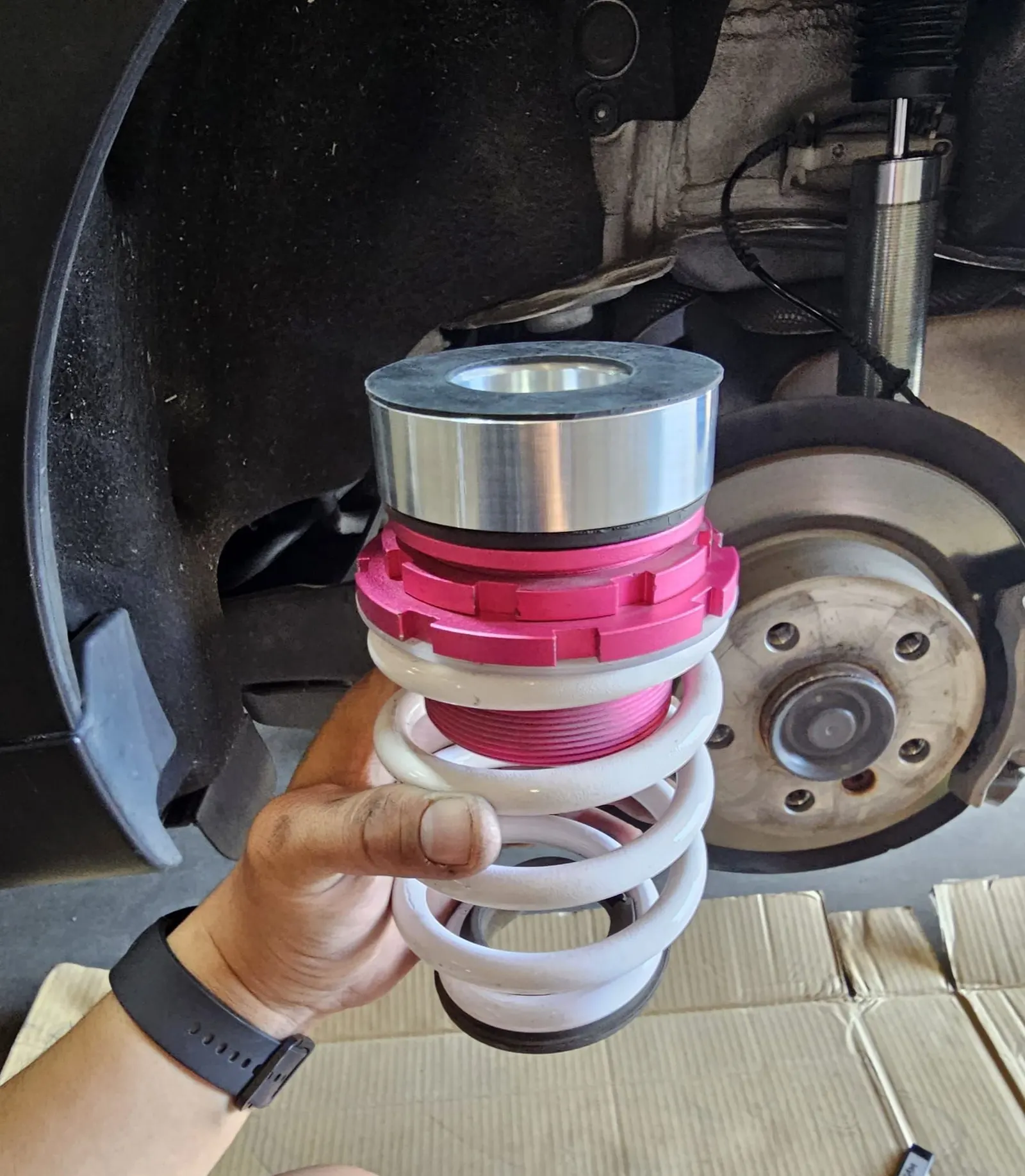
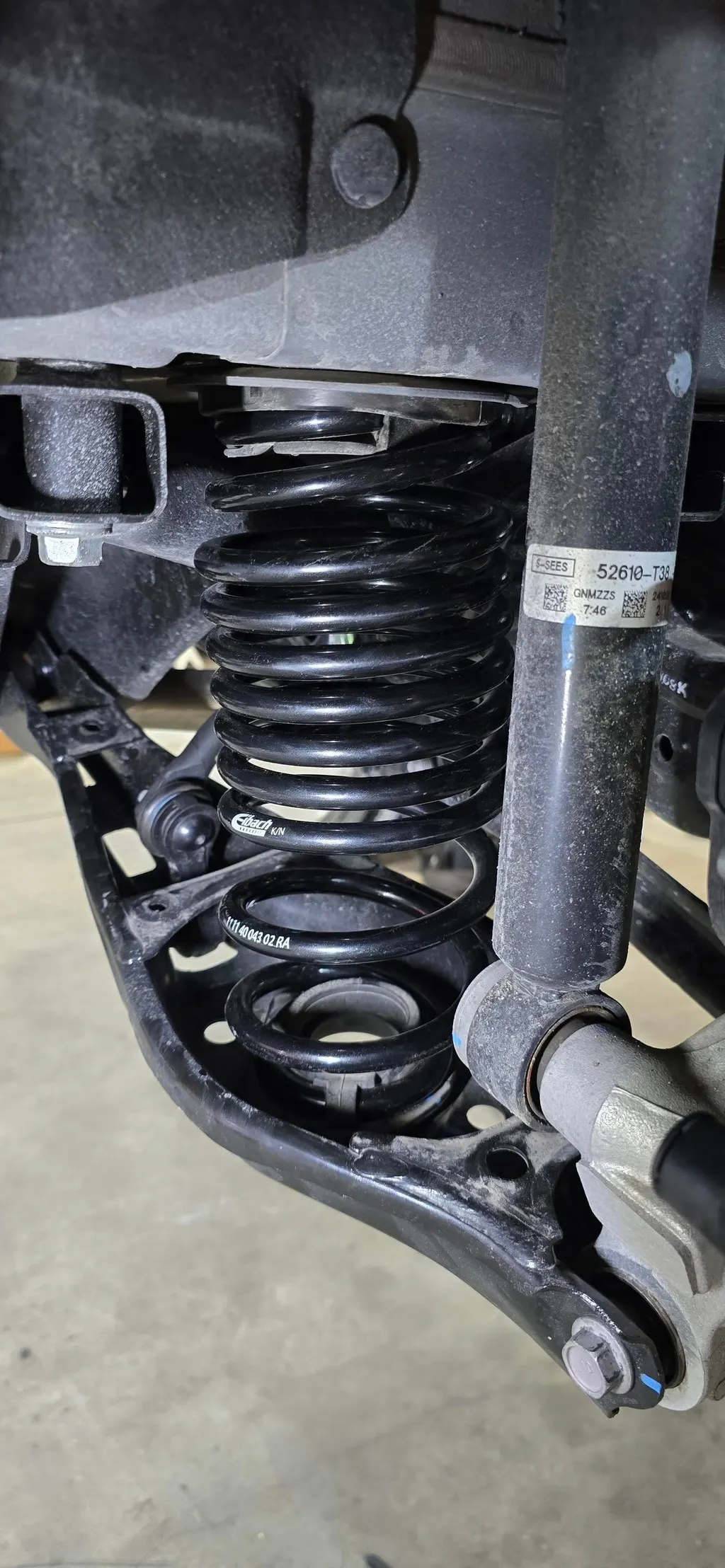
- Lowered cars. Lowering springs or coilovers bring the fender closer to the tire.
- Wider wheels and tires. A wider setup sits closer to the fender edge.
- Different wheel offsets. Wheels that sit further out can catch the fender lip.
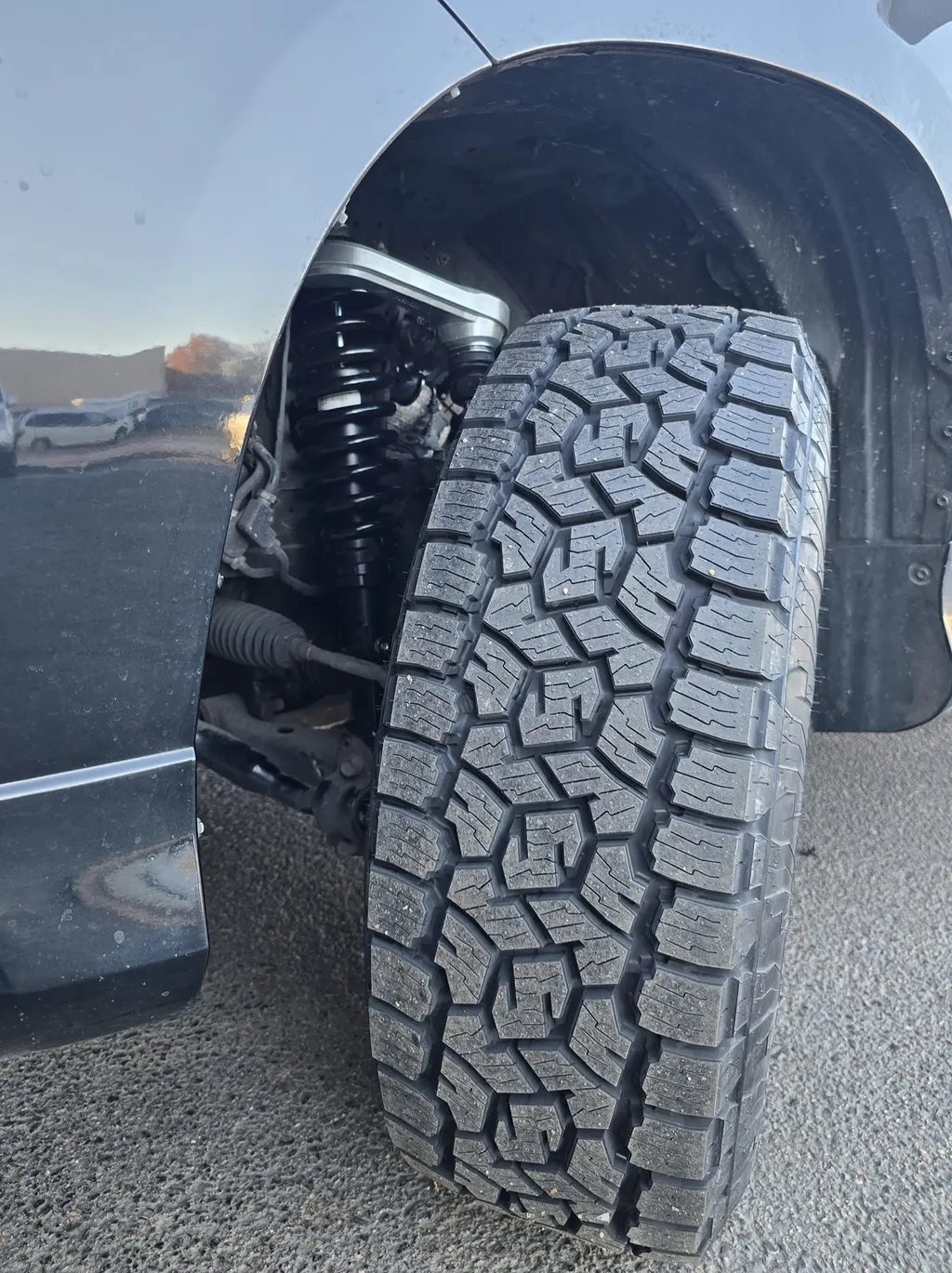
- Bigger tires. Taller tires on trucks and SUVs need more room in the wheel well.
- Protecting tires. Repeated rubbing can cut into a tire's sidewall.
What we do
- Inspect where and when the tire is rubbing
- Roll front and rear fender lips as needed
- Work carefully to reduce the chance of cracking paint
- Check clearance with the wheels and suspension you're running
- Advise on other fitment changes if rolling alone won't solve it
Signs you need fender rolling
- Tires rub over bumps, dips or driveway entrances
- Rubbing happens when turning or with passengers or cargo
- You just lowered the car
- You fitted wider wheels or a different offset
- There are scuffs or cuts on the tire sidewall
- You plan to fit bigger tires
What to expect
Tell us your wheel and tire sizes, whether the car is lowered, and where it rubs. We'll check the fitment and let you know if rolling will do the job, or if other changes are needed too.
Paint is the main risk. Older, thick or repainted paint is more likely to crack, and we'll talk it through before we start.
Custom cars are billed at $150 per hour for inspection and repair, and general vehicles at $120 per hour. Our warranty covers labor for 60 days or 3,000 miles, and new parts for 60 days or 3,000 miles. Installing new wheels or coilovers at the same time? We welcome customer-supplied parts.
Tired of tire rub? Call or text (316) 223-7293, or request an appointment.